
Why Certain Flowers Are Associated With Luck and Prosperity
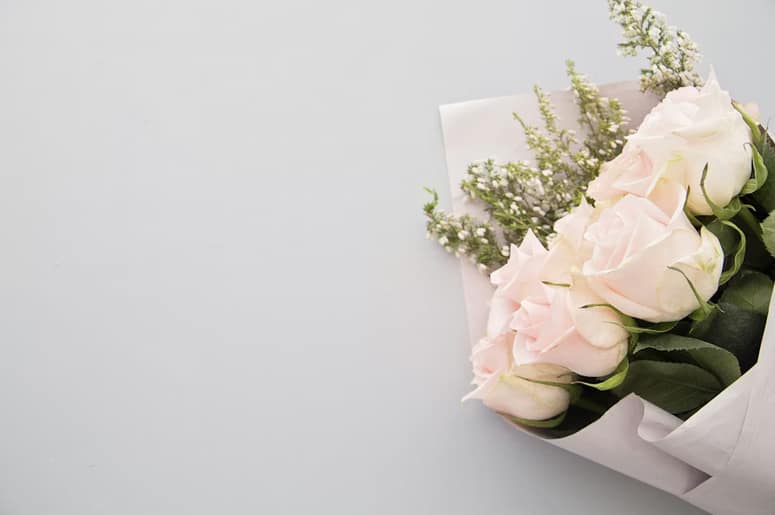
Flowers have long been linked to ideas of luck and prosperity across cultures and eras. Their meanings did not appear by chance. They developed through history, belief systems, and shared human experience, with Red Roses often symbolizing success and positive outcomes. People noticed how certain flowers thrived, bloomed repeatedly, or appeared during times of abundance. Over time, these traits became symbols of fortune and success. Flowers also offered comfort and hope during uncertain periods. This connection helped communities express wishes for wealth, health, and happiness. Understanding why flowers carry these meanings reveals how deeply nature influences human thought and tradition across societies worldwide.
Historical Roots of Floral Symbolism
Many associations between flowers and prosperity began in ancient civilizations. Early societies relied on agriculture, so plants symbolized survival and wealth. Flowers that bloomed reliably were seen as signs of favorable conditions. In China, peonies became linked to prosperity due to their lush growth and royal presence. In ancient Rome, laurel wreaths symbolized victory and reward. These meanings spread through trade and storytelling. Over generations, cultures worked to ensure these symbols remained consistent and respected within rituals and celebrations.
Cultural Beliefs and Shared Traditions

Cultural traditions play a central role in defining lucky flowers. In Japan, cherry blossoms symbolize renewal and positive change. In India, marigolds represent success and spiritual protection. These beliefs are passed down through ceremonies and family practices. The symbolism often reflects social values rather than appearance alone. A flower becomes lucky when it aligns with collective hopes. This shared understanding gives each bloom a unique place within cultural identity and social expression across regions.
Growth Patterns and Natural Behavior
Some flowers are associated with luck due to how they grow. Plants that spread easily or bloom often represent abundance. Bamboo, though technically grass, is treated like a flower in symbolism and linked to prosperity for this reason. Orchids symbolize refinement and success because they require care and patience. These natural behaviors influence human interpretation. Flowers that survive hardship suggest resilience and future reward. This perception connects nature’s patterns to personal aspiration.
Color and Visual Influence
Color plays a strong role in shaping floral meaning. Red flowers often symbolize luck, especially in East Asian cultures, because red represents energy and wealth. Yellow flowers suggest gold, success, and optimism. White flowers can symbolize clarity and fresh beginnings. The visual impact reinforces emotional response. Over time, people associate certain colors with outcomes they desire. These connections are reinforced during festivals and gift-giving, strengthening symbolic meaning through repetition and visibility.
Religious and Spiritual Connections

Religious practices also influence floral symbolism. Lotus flowers represent spiritual prosperity and enlightenment in Buddhism and Hinduism. Sacred texts and rituals elevate certain flowers above others. Offerings made with these blooms reflect respect and hope for blessings. Spiritual belief helps ensure these symbols endure across generations. Flowers used in worship gain deeper meaning beyond decoration. They represent harmony between material success and inner balance within belief systems worldwide.
Flowers in Modern Prosperity Rituals
Today, lucky flowers appear in homes, businesses, and public spaces. Feng Shui promotes plants like orchids and peace lilies to attract prosperity. Businesses display flowers during openings to signal positive beginnings. These modern uses blend tradition with contemporary life. While styles change, meanings remain familiar. People continue to trust floral symbolism to influence mood and intention. This practice reflects an enduring human desire to invite good fortune through natural elements.
Belief in lucky flowers also has a psychological effect. Flowers create positive emotional responses that influence confidence and outlook. When people associate blooms with success, they feel encouraged and focused. This mindset can affect behavior and decision-making. The utmost power of floral symbolism may lie in its ability to inspire hope. Whether symbolic or psychological, flowers continue to shape how people pursue prosperity and well-being.
