Should You Use a Depository for Precious Metals?

Investing in precious metals has become an appealing choice for many seeking to diversify their portfolios and safeguard their wealth. Whether it’s gold, silver, platinum, or palladium, these tangible assets have stood the test of time as reliable stores of value. Money Metals is investment triggers a crucial question: How do you securely store your metals? Enter depositories—secure facilities designed specifically for holding precious metals. They offer peace of mind in a world filled with uncertainties. If you’re considering whether a depository is right for your valuable metal investments, it’s important to explore what they offer and the benefits they provide. Let’s dive into the essentials that can help you make an informed decision about securing your treasures.
Security Measures in Place
 When it comes to precious metals, security is paramount. Depositories implement a range of measures to ensure the safety of your assets. Most facilities feature advanced surveillance systems. 24/7 monitoring keeps an eye on every corner, ensuring any suspicious activity is addressed. Physical barriers are also crucial. Many depositories use reinforced vaults designed to withstand break-ins and natural disasters alike.
Types of Precious Metals Accepted
When it comes to depositories, a range of precious metals can be stored. The most commonly accepted are gold and silver. These two have long been valued for their intrinsic worth and investment potential. Platinum and palladium also find their place in many storage facilities. Both metals serve various industrial applications, adding to their appeal as an investment choice. Some depositories may even accommodate rare coins or collectibles made from these precious materials. It opens up more avenues for collectors looking to secure valuable assets.
Costs and Fees Associated with Depositories
 When considering a depository for precious metals, it’s crucial to understand the costs involved. Fees can vary widely depending on the institution and services offered. Most depositories charge an annual storage fee, typically based on the value or weight of your metals. This fee ensures that your investment is securely housed and monitored. In addition to storage fees, some facilities may impose transaction fees when you buy or sell your metals.
These costs can add up, so it pays to read the fine print. Insurance is another aspect to consider. Many depositories include insurance in their overall pricing, but be sure about what coverage you receive. There could be withdrawal fees if you decide to take possession of your metals later. Understanding these various charges will help determine if using a depository aligns with your financial goals.
Conclusion
Determining whether a depository is the right choice for your precious metals involves weighing several factors. Your choice should align with your financial goals and comfort level regarding security. Take time to reflect on what matters most to you before making this important decision regarding the safekeeping of your valuable assets.…

 Understanding your audience is essential for creating content that resonates with them. Take the time to research and analyze who your readers are, their interests, preferences, and pain points. This valuable insight will guide you in tailoring your content to meet their needs effectively. Engage with your audience through comments, surveys, and social media interactions to better understand what they want from your blog.
 When crafting engaging content for your blog, using amazing visuals can elevate the reader’s experience. Images, infographics, videos, and other visual elements can captivate your audience and convey information more compellingly. Visuals break up text-heavy content and help engage readers who may be more visually oriented. A well-chosen image or graphic can instantly grab attention and entice visitors to stay on your page longer.
 The first component of a qualitative interview is the introduction. This is where you will establish rapport with your interviewee and provide some basic information about the purpose of the interview. It’s essential to ensure that your introduction is clear, concise, and free of any jargon. You want your interviewee to feel
 Now it’s time to get into the core objectives of your interview. These questions should be directly related to your research goals. For example, if you’re trying to understand why people are using your product, you might ask them about their motivations. It’s essential to make sure that these questions are clear and concise.
 It’s easy to drink water from a bottle that is going to be recycled or thrown away. However, this creates a lot of waste in the long run. Instead, use reusable water bottles made with safe and sustainable materials such as glass or stainless steel so you can have an eco-friendly way of staying hydrated! Using a reusable water bottle can also reduce the amount of plastic bottle waste that ends up in landfills. It’s as you can use your reusable water bottle to buy coffee or boba tea from your favorite cafes.
 Plastic bags are everywhere, and it’s easy to forget that they’re not biodegradable. Not only do plastic bags take up space in landfills, but they harm the Earth and sea life as well! You can cut down on your use of these types of bags by getting a reusable bag for groceries or other items. However, if you forget your reusable bags or run out of them, another alternative is to use biodegradable bags instead. These bags are made from materials such as corn starch and other plant-based products.
 There’s the difficulty of buying something you know little about, the nagging fear about your proposal. It is easy to find an
 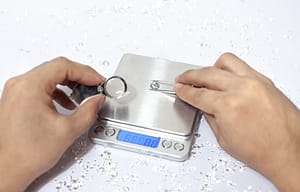 Sometimes, diamonds are cut with a more prominent point to make them rise more than their weight. While this sounds great, this can occasionally lead to a less than ideal ratio, so be careful. It’s not worth choosing a stone that looks bigger but shines less. The carat system works like pennies on the dollar: each dot is one-hundredth of a whole carat. The carat would be one carat. For instance, you could choose the 1ct. size, which is a standard with various sizes and prices. However, in the long run, a person should buy an engagement ring based on what they can afford and not fixate on a magic number.
 When looking for an engagement ring, be sure to determine if the diamonds on display are diamonds. It means that the diamond has not been treated in any way other than cutting and polishing. Most importantly, no drilling or additional techniques could increase the clarity of the stone. The best strategy for making sure your pearl is untreated is to only work with a reputable grower. Once you find a reputable jeweler, confirm the diamond’s details by evaluating its certification or “cert.” A certificate is an official document created by an independent laboratory that indicates the grade of the diamond. Thus, it is crucial to evaluate the cert before buying the ring.…